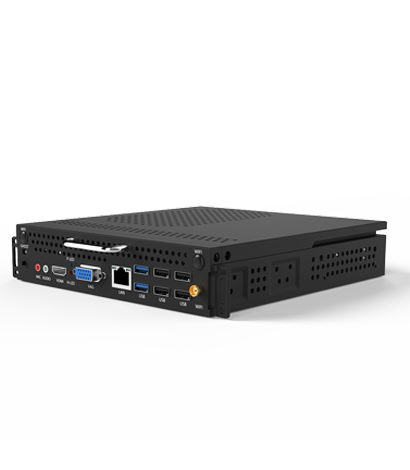
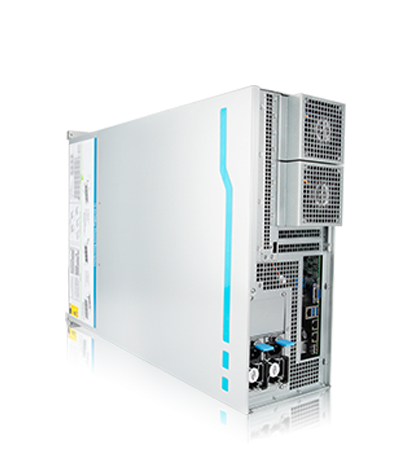
There are differences between mini hosts and normal hosts in multiple aspects, including size, hardware configuration, power consumption, and usage.
1. Size
-Mini consoles have a smaller size, usually around 10 * 10 * 3 centimeters, making them suitable for carrying and space saving.
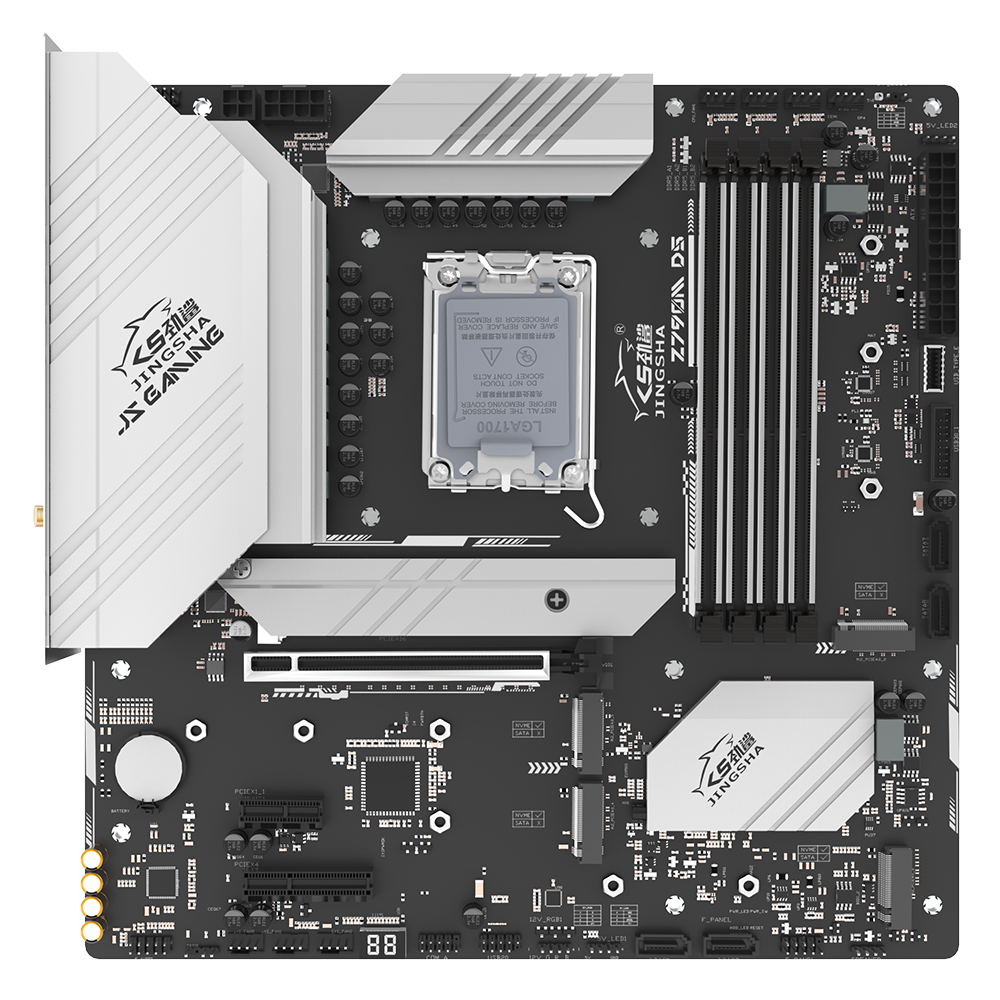
-The normal host size is relatively large, usually around 30 * 40 * 10 centimeters, with more expansion and cooling space.
2. Hardware configuration
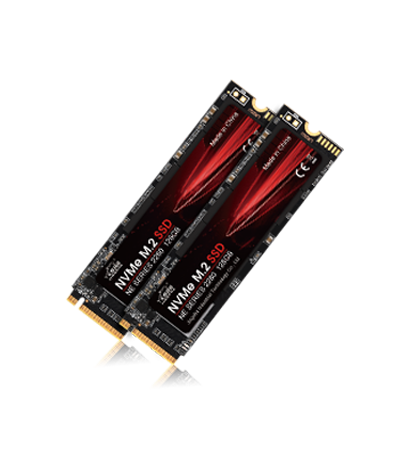
-The hardware configuration of mini hosts is relatively low, including processors, memory, and hard drives, but high-end mini hosts can compete with normal hosts.
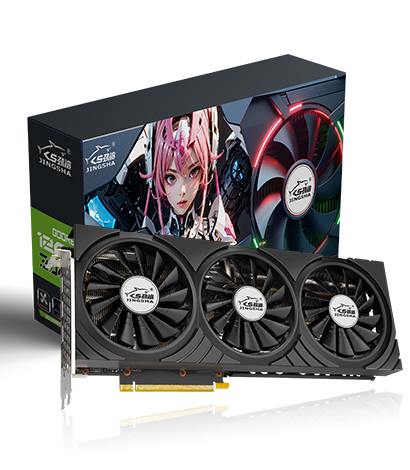
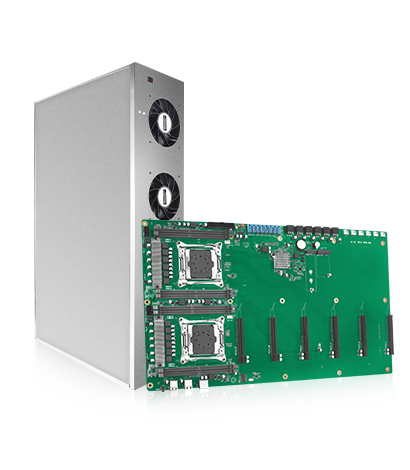
-Normal hosts typically have higher performance and scalability, making them suitable for tasks that require high-performance computing.
3. Power consumption
-Mini hosts typically use low-power components to save energy and reduce noise.
-The components used by normal hosts have higher power consumption, but can also provide more powerful performance.
4. Usage
-Mini consoles usually do not have built-in optical drives and expansion slots, and require external devices to implement related functions.
-A normal host has more scalability and built-in features, such as optical drives and expansion card slots.
In summary, mini hosts and normal hosts differ in size, hardware configuration, power consumption, and usage. Users can choose a suitable computer host according to their own needs and scenarios.